Cardboard Box Handles That Transform Any Crate Into An Easy Lift
Despite being an afterthought in packaging design, a cardboard box handle can triple the weight a single person comfortably carries. This simple cutout or attached strap redistributes the load from your fingertips to your stronger palm and arm muscles. By adding just two inches of reinforced material, you eliminate the awkward, painful claw-grip that has caused countless spillages. Cut or pull out the perforated tab, and you instantly transform a clumsy, heavy box into a balanced, portable container.
Ergonomic Cutout Designs for Easier Lifting
The forklift driver’s back protested every morning until the warehouse switched to boxes with ergonomic cutout handles. These are precisely positioned die-cut openings that align with the natural curve of the hand, allowing the fingers to curl through without pinching or straining the wrist. Unlike a simple slot, the cutout’s rounded edges and slight offset shift the load’s center of gravity closer to the lifter’s torso, reducing torque on the lower spine. After a long shift, that subtle difference between a sharp-edged hole and a smoothed, curved opening meant he could still bend over to pick up his toddler without wincing. By distributing the box’s weight across the palm’s fleshy base instead of hooking the fingertips, these designs turn a bulky carton into a manageable, balanced load.
D-Shaped Die-Cut Handles vs. Trapdoor Slots
D-shaped die-cut handles offer a superior, ergonomic grip compared to trapdoor slots. A D-shape conforms to the natural curve of the hand, eliminating pressure points that cause fatigue during lifting. In contrast, a trapdoor slot is a narrow, sharp-edged slit that digs into fingers, leading to discomfort and reduced load stability. This makes D-shaped handles far more effective for heavy or bulky boxes. D-shaped die-cut handles also allow for immediate, intuitive use, whereas trapdoor slots often require a push-out step and can tear under stress. Q: Which design is better for heavy lifting? D-shaped handles always provide a more reliable and comfortable hold than trapdoor slots.
How Curved Openings Reduce Wrist Strain
Curved openings in a cardboard box handle reduce wrist strain by aligning the hand’s natural arc, distributing force evenly across the palm rather than concentrating pressure on a single point. The smooth, radiused edge eliminates sharp corners that create localized stress, allowing the wrist to remain in a neutral, unextended position. This curve guides the fingers into a relaxed grip, minimizing the need for forceful flexion of the wrist flexors to maintain hold.
- Encourages a neutral wrist posture, reducing stress on tendons and ligaments.
- Distributes load across a broader palm surface, lowering peak pressure.
- Prevents pinch points that trigger reflexive gripping and muscle fatigue.
- Promotes smoother weight transfer from arm to handle during lifts.
Placement Height for Balanced Weight Distribution
The placement height of the handle relative to the box’s vertical center dictates balanced weight distribution during lifting. Positioning the cutout too high shifts the center of gravity downward, causing the bottom to swing forward and straining the wrist. Setting it too low forces the user to hunch, pulling the box’s top backward. The optimal height aligns the handle exactly with the box’s natural center of gravity. To achieve this:
- Calculate the box’s vertical midpoint by measuring its total height.
- Locate the handle’s center at that midpoint, accounting for internal load shifts.
- Test the lift: a balanced feel with no tipping forward or backward confirms correct placement.

Reinforced Plastic and Metal Add-Ons
For cardboard box handles, reinforced plastic add-ons offer a lightweight, corrosion-resistant grip that integrates directly into the box wall, ideal for single-use or retail packaging. Metal add-ons, typically punched through the cardboard, provide superior load-bearing capacity and durability for heavy or repeated re-use. Choosing metal handles is critical for transporting oversized or dense items where plastic might flex or snap. Reinforced plastic variants, however, excel in moisture-prone environments where metal could rust and stain the box. For maximum longevity, a hybrid approach—plastic grip with a thin metal reinforcement core—balances strength against the inherent fragility of the cardboard panel. Always ensure the handle’s mounting width distributes the weight across at least two box flutes to prevent the cardboard from tearing.
Snap-In Polypropylene Inserts for Heavy Loads
For heavy loads exceeding standard box limits, snap-in polypropylene inserts for heavy loads provide a reinforced anchor that prevents handle detachment under stress. These inserts lock into pre-cut die‑cut holes, distributing tensile force across a wider plastic surface rather than concentrating it on the cardboard. Unlike adhesive metal plates, the polypropylene geometry resists shear and creep, maintaining grip even when the box walls begin to bow from dense contents. The snap‑fit mechanism eliminates glue or fasteners, allowing rapid manual installation without tooling.
Can a snap‑in polypropylene insert handle shifting loads during transit? Yes, its rigid plastic collar transfers torque to the entire panel, reducing tear‑out risk and preserving handle function until the box is intentionally opened.
Retractable Metal Loops for Double-Walled Durability
Retractable metal loops transform standard cardboard boxes into robust hauling tools by embedding into the box wall rather than just gripping the surface. These loops lock into place against double-walled cardboard, distributing weight across the reinforced plastic anchor plate and preventing tear-out from heavy loads. The internal mechanism must align precisely with the corrugation channels to maximize shear resistance without bulging the box exterior. This design keeps the handle flush when not in use, avoiding snagging during stacking. Double-walled durability integration ensures the loop withstands repeated retractions without deforming the metal or delaminating the cardboard substrate.
- Metal loops embed via riveted plates that sandwich the cardboard for load-bearing distribution
- Retraction mechanism uses a spring-loaded pivot to keep the loop flush for storage
- Double-wall thickness requires matching loop depth to prevent crushing the internal fluting
Adhesive-Backed Pull Tabs for Single-Use Shipping
For single-use shipping, adhesive-backed pull tabs transform a standard cardboard box into a grab-and-go unit. These strips, reinforced with plastic or a thin metal layer, stick directly to the box flap, creating an instant handle that tears cleanly upon opening. Unlike cut-out handles, they add zero structural weakness. The tab’s strong adhesive bonds firmly to corrugated board, yet the user can rip it away and dispose of the tab with the wrapping, leaving no bulky attachment behind.
- Peel-and-stick application takes seconds, requiring no die-cutting of the box.
- The sealed adhesive flap prevents dust ingress during transit.
- Offers a clean, one-time tear that discards with the packaging waste.
- Eliminates the need for separate handle loops or straps.
Rope and Fabric Loop Integration
For a cardboard box handle, rope and fabric loop integration typically involves threading a braided synthetic rope through reinforced slots cut into the box flaps, then securing the rope ends with knots or a fabric sleeve to prevent fraying. A fabric loop, often sewn from nylon webbing, can be anchored by stapling or gluing its ends to the box’s interior, creating a flush, low-profile grab point. Proper tension is critical, as an overtight loop may crush the corrugated structure, while a loose one risks easy detachment under load. The integration point should be placed at the box’s center of gravity to ensure balanced lifting. Reinforcing the cardboard around the entry holes with a thin patch or plastic grommet extends handle longevity by distributing the stress of repeated use. This method prioritizes simplicity over permanent attachment, as both rope and fabric loops can be cut for flat box recycling.
Nylon Webbing Stitched Into Fluted Panels
For a sturdy cardboard box handle, nylon webbing stitched into fluted panels locks the strap directly into the corrugation’s internal channels. You feed the webbing through pre-cut slots, then sew it flat against the panel’s outer face, creating a load-bearing bridge that won’t tear through the single-wall board. This method distributes weight across multiple flutes, so the handle stays secure even with heavier loads. It’s a simple, reliable way to integrate fabric loops without needing rivets or metal parts.
Nylon webbing stitched into fluted panels creates a direct, sewn-in handle that uses the box’s own structure for strength.
Jute Twine Grip for Eco-Friendly Packaging
For eco-friendly packaging, the jute twine grip for cardboard boxes replaces plastic handles entirely. By weaving durable natural jute twine through reinforced eyelets or cardboard slots, you create a reliable, biodegradable carrying solution. This grip maintains structural integrity under moderate loads, distributing tension evenly to prevent tearing. Its textured surface offers a secure hold, even when hands are damp or gloved. Integrating jute twine directly into the box’s rope and fabric loop system ensures the handle stays flush during shipping, reducing snagging risks while supporting your zero-waste packaging goals with a fully compostable component.
Sewn-In Cotton Loops Used in Gift Subscriptions
For gift subscriptions, sewn-in cotton loops transform a standard cardboard box into a premium, reusable presentation piece. These loops are stitched directly into the box’s structure, providing a soft, durable handle that supports the weight of curated items without tearing. Unlike adhesive options, they guarantee a clean, high-end aesthetic suitable for monthly deliveries. Recipients appreciate the tactile quality, often repurposing the box for storage. The sewn attachment ensures the loop stays fixed, enhancing unboxing satisfaction.
- Supports repeated use for subscription unboxing without fraying or detaching.
- Eliminates carton box plastic handle adhesive residue, keeping the box’s interior pristine for gifts.
- Matches organic, eco-conscious branding preferred by subscription services.
- Provides a secure, comfortable grip for boxes holding multiple product layers.
DIY and Customizable Grip Solutions
For a truly personalized cardboard box handle, DIY solutions let you tailor grip to your exact needs. Start by cutting a strategic, ergonomic slit into the box’s side, then reinforce the edges with duct tape or a glued-on fabric strip to prevent tearing. For a more cushioned hold, wrap that cutout with paracord or old bike inner tube, securing ends with knots or staples. This customizable approach means you can adjust handle width or texture based on the box’s weight and your hand size. A simple leather loop, stapled flush to the cardboard, often provides the most reliable grip without shifting during heavy carries. Each solution is quickly modified or replaced, giving you control over comfort and leverage.
Leveraging Duct Tape for Temporary Carrying Points
For temporary carrying points, duct tape can be rapidly applied to create a makeshift cardboard box handle without permanent modification. Fold a length of tape lengthwise, adhesive-to-adhesive, to form a non-stick strap. Affix the ends to the box’s opposing sides with extra tape patches, ensuring the strap is taut enough to bear weight but not tear the cardboard. This method works best for light loads and short distances; the tape’s grip weakens over time or in heat.
Q: Can duct tape handle the weight of a full moving box?
A: No, duct tape handles only light to moderate loads; for heavy boxes, use a reinforced webbing handle instead.
Macrame Cords Wrapped Through Pre-Punched Holes
For a truly DIY vibe, try macrame cords wrapped through pre-punched holes to craft a custom box handle. Simply feed the cord through two opposite holes, then knot each end on the inside to secure. The soft, braided texture offers a comfortable grip that won’t dig into your hands, even with heavy loads. You can adjust the handle length by simply pulling more or less cord through the holes before tying. Mix colors or add beads along the wrapped section for a personalized look. It’s a quick, no-sew solution that turns a plain cardboard box into something you actually want to carry.
| Aspect | Cord Wrapped Through Holes | Alternative (Ribbon) |
|---|---|---|
| Grip Comfort | Soft & textured, reduces pressure | Thin, can dig in |
| Adjustability | Simple to shorten or lengthen | Fixed length, hard to modify |
| Customization | Beads, knots, color combos | Limited to pattern or bow |
Structural Factors That Affect Handle Failure
The primary structural factors that affect handle failure in cardboard boxes are the handle’s cut geometry and its position relative to the box’s structural seams. A narrow, sharp-edged cut concentrates shear stress, tearing the paperboard fibers rapidly under load. Conversely, a wide, rounded slot distributes weight, reducing that localized strain. The handle’s proximity to the top flap crease or side panel edge is critical—placing it too close to a fold line invites catastrophic tearing, as the box’s natural bending weakens the immediate area. Additionally, the use of internal reinforcement, such as a glued-in paperboard patch around the die-cut, significantly increases the handle’s load capacity by physically redistributing pulling forces across a broader panel area, preventing immediate punch-through.
Perforation Length Versus Flute Direction
The structural integrity of a cardboard box handle is critically affected by the relationship between perforation length and flute direction. When perforations run parallel to the flutes, they tend to split along the flutes’ natural channels, causing early handle failure, particularly with longer cuts. Conversely, perforating perpendicular to flute direction forces the blade to sever multiple flute bridges, which creates a stronger edge but may cause jagged tearing if the cut is too long. A balanced perforation length—typically 6–10 cm for C-flute—prevents premature collapse.
| Flute Direction | Perforation Length Effect | Failure Mode |
|---|---|---|
| Parallel | Long perforations (>10 cm) weaken quickly | Split along flute lines |
| Perpendicular | Shorter cuts (<6 cm) resist tearing< td> | Jagged edge or fiber pullout |
A perforation that is too long relative to the flute pitch will always concentrate stress at the endpoints, regardless of direction.
Kraft Weight and Burst Strength Thresholds
For a cardboard box handle to endure repeated use, the critical burst strength threshold of the Kraft paper must directly align with the handle’s anchor point. Lighter Kraft weights (e.g., 42 lb/in²) fail abruptly under sudden lifting loads, while a 69 lb/in² or higher burst rating absorbs shear stress at the die-cut slot, delaying tear propagation. Weight and burst strength are interdependent: a heavier Kraft board with a low Mullen value still snaps at the handle edge, whereas a balanced ratio of 200+ lb/in² burst strength per inch of handle width distributes force evenly. This threshold prevents the handle from ripping through the panel during dynamic use.
- Minimum Kraft weight of 42 lb for light-duty boxes; 69+ lb for heavy loads
- Burst strength must exceed 200 lb/in² to prevent handle-edge tearing
- Thicker Kraft (e.g., 0.06 in) raises burst threshold without adding weight
- Die-cut handle shape modifies effective burst capacity at stress points
Stress Fractures Near Glue Seams on Triple-Wall Boxes
Stress fractures near glue seams on triple-wall boxes initiate when the rigid adhesive joint creates a localized point of inflexibility. Unlike the box’s corrugated structure, the glue seam cannot absorb or distribute tensile loads, causing the board to crack immediately adjacent to the bond under handle stress. Glue seam embrittlement accelerates this failure, as dried adhesive forms a hard, non-yielding barrier that shears the outer liner. These fractures typically propagate perpendicular to the seam, mirroring handle pull direction. The crack follows the path of least resistance along the glue’s edge, detaching the handle reinforcement from the panel.
Stress fractures near glue seams on triple-wall boxes occur because rigid adhesive bonds create inflexible fault lines that crack under handle load, directly severing handle-to-panel attachment.
Innovative Tear-Away and Fold-Out Styles
Innovative tear-away and fold-out styles transform a cardboard box into a carrier by integrating the handle directly into the box’s structure. A tear-away panel, often perforated near the top, can be pulled free to reveal a pre-cut handhold, eliminating extra materials. Conversely, a fold-out handle emerges from a die-cut flap, which you push inward and lock to form a rigid, ergonomic grip. These designs are seamlessly integrated during manufacture, ensuring the box’s stacking strength remains uncompromised. Because no separate handle or adhesive is needed, users enjoy a truly instant, tool-free setup that reduces packing time and waste. *Careful scoring is critical to ensure the fold-out handle can bear substantial weight without tearing prematurely.* This approach delivers a clean, professional carrying solution that feels intentional, not improvised.
Integrated Flap That Doubles as a Carrying Strap
An integrated flap carrying strap transforms a simple cardboard box into a portable unit by using a pre-cut, reinforced flap that folds out and locks into a handle. Instead of adding separate plastic or rope components, this design cuts a wide, padded panel from the box’s own material, which users lift and slot into a die-cut receiver. The strap distributes weight evenly across the hand, preventing the box from sagging or tearing under moderate loads. Once used, the flap folds flat again, allowing the box to stack or store without protrusions.
- Eliminates extra handles by using the box’s own structural material
- Locks into a secure carrying position via a tab-and-slot mechanism
- Folds flush when not in use, preserving stackability and storage space
- Redistributes tension across a wider surface to prevent flap fatigue
Perforated Die-Cuts That Lock Behind a Slot
Perforated die-cuts that lock behind a slot create a tamper-resistant box handle by integrating a punched tab that folds inward and secures through a corresponding receiver cut in the adjacent panel. This mechanical interlock eliminates adhesive failure, relying instead on the cardboard’s own rigidity to hold the handle flush under load. The perforation must be precisely scored to allow clean separation without weakening the tab; a die-cut that is too shallow tears, while one too deep compromises the latch. Below compares key design parameters:
| Tab Width | Lock Strength | Perforation Depth |
| 3/8 inch | Low (light items) | 70% of board thickness |
| 5/8 inch | Medium (single boxes) | 80% of board thickness |
| 1 inch | High (stacked loads) | 90% of board thickness |
Pop-Out Handles with Reinforced Curved Edges
Pop-out handles with reinforced curved edges integrate a pre-cut, push-through flap into the cardboard box wall, eliminating the need for separate plastic or metal components. The curved profile distributes weight more evenly across the user’s hand, reducing pressure points and cardboard bite during transport. Reinforcement typically involves an extra ply of board or a glued-in patch around the cutout, preventing the edges from tearing under heavy loads. This design allows a single box to become a temporary carrying case without external additions, making it a convenient all-in-one carrying solution for retail packaging or moving containers.
E-Commerce Packaging and Hand Hole Trends
In e-commerce packaging, the humble cardboard box handle is evolving. The latest hand hole trends focus on ergonomic die-cut shapes that reduce strain on fingers during heavy lifting, moving beyond basic slots. You’re now seeing reinforced tear-drop and oval holes that prevent the cardboard from ripping under weight. A key practical shift is the integration of a locking hand hole flap, which folds inward to create a smooth, padded grip and adds structural rigidity to the box. This trend directly improves the unboxing experience by making awkward packages easier to carry, reducing the risk of dropped shipments and customer frustration.
Thumb Depressions for Mailer Envelopes
Thumb depressions for mailer envelopes replace traditional handles by integrating a die-cut, recessed grip into the cardboard surface. User leverage is created by pressing the thumb into the depression to lift the envelope, eliminating the need for a separate cardboard box handle. This design distributes weight across the pad of the thumb, reducing pinch points and tearing risk. The depth and edge radius must be calibrated precisely to accommodate envelope thickness variations without compromising the structural integrity of the seal.
- Optimal depression depth is 8–12 mm for adequate finger clearance.
- Cutouts must avoid the envelope’s adhesive flap area to maintain seal strength.
- Reinforced corner-lock tabs inside the depression prevent buckling under load.
Side Slit Openings for Large Flat Transport
When transporting large flat items like artwork or glass, side slit openings function as integrated handles by cutting two parallel vertical slits in the box’s side panel. The user pushes their hand inward through one slit and out the other, creating a secure grip without needing external handles. This design maintains the box’s flat storage profile and eliminates protruding parts that could snag. Side slit openings for large flat transport must be precisely positioned to balance the load, avoiding tearing under stress. Reinforcing the slit edges with extra corrugated layers prevents hand injuries from sharp cut lines. The depth and spacing of slits also determine how comfortably two people can lift an oversized package.
Side slit openings use integrated cuts in the box side to form hand holes specifically for carrying large, flat, and heavy items without adding external handle components.
Child-Safe Dimensions to Prevent Finger Pinching
To mitigate finger pinching in e-commerce packaging, the hand hole’s child-safe aperture dimensions must be precisely calibrated. The opening width should not exceed 15 millimeters, preventing insertion of small fingers that could become trapped. Simultaneously, the slot length must remain under 100 millimeters to avoid accommodating a child’s hand’s full width, which can lead to constriction. Depth of the handle cutout should be at least 20 millimeters but no more than 30 millimeters, ensuring an adult’s digits can grasp the cardboard box handle without creating a space where a child’s knuckle could wedge. These specific measurements standardize passive safety during lifting.
Selecting the Best Carry Mechanism Per Industry
In the dusty back room of a small organic farm, the choice of a carry mechanism per industry becomes painfully clear. A molded plastic handle hot-glued to a cardboard box handle might work for a boutique candle shop, but for boxes of tomatoes hauled from greenhouse to market, that handle will snap under humidity and weight. The farm manager instead selects a die-cut “suitcase” handle integrated directly into the corrugated fiberboard—the cardboard itself becomes the carrying loop, spreading stress across the box’s full depth.
The insight is brutal: a handle must survive the specific crush, sweat, and stacking of its job site; the best mechanism isn’t the strongest in a lab test, but the one that doesn’t fail on a loading dock.
For heavy produce, that means cutting away material to form a foldable carry flap, while for retail electronics, a flat ribbon handle lies flush during shipment and pops out only for the customer. Each industry’s cargo—sharp, hot, cold, oily—dictates whether you need an adhesive strap, a punched hole, or a reinforced plastic insert at the box’s top panel. The right decision lives in the moment a person lifts the box for the tenth time that hour, not in a manual.
Beverage Cartons Needing Water-Resistant Inserts
For beverage cartons, the carry mechanism must account for condensation and spillage. Water-resistant inserts are essential to prevent handle cutouts from weakening due to moisture absorption. A plastic or wax-coated paperboard insert, bonded into the handle aperture, maintains structural integrity when the carton surface becomes damp. This prevents handle detachment during transport. The insert must also be rigid enough to support the weight of bottled liquids without tearing. Without this reinforcement, standard cardboard handles fail rapidly in cold-chain or high-humidity distribution.
- Use polyethylene-coated inserts to create a moisture barrier at the handle point
- Ensure insert thickness matches carton board caliper to avoid fit issues
- Test insert adhesion under refrigerated conditions to prevent delamination
- Select inserts with rounded edges to avoid chafing against fingers when wet
Auto Parts Crates Using Magnetized Metal Grips
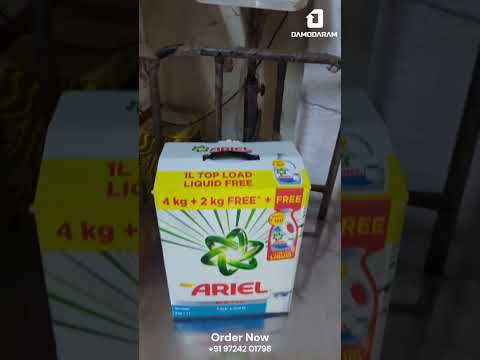
For heavy auto parts crates, standard handles tear under load. Magnetized metal grips integrated into cardboard solve this by creating a direct, high-friction connection between the worker’s hand and the steel crate interior. This eliminates strain on the cardboard box handle and prevents drop failures when transferring dense brake rotors or alternators. The magnetic catch locks the grip flush against the metal, distributing weight evenly across the panel.
Q: Do magnetized grips require special crates?
A: Yes—they only work with crates containing ferrous metal liners or fasteners, but they convert any standard cardboard box handle into a load-rated industrial lifting point.

Retail Display Boxes with Silent Slide-In Loops
For retail display boxes, silent slide-in loop handles eliminate the audible snap or click of traditional locking mechanisms, preserving a premium unboxing experience. These loops glide into pre-cut channels on the cardboard box, requiring no adhesive or external hardware. The friction-fit design ensures the handle remains flush during transit but can be extracted without tearing the box’s printed surface. This mechanism is ideal for high-end consumer electronics or cosmetics where noise reduction and clean aesthetics are critical. The loop’s width must match the box’s flute thickness precisely to avoid loosening or jamming.
- Requires die-cut channels with tight tolerance for silent insertion
- Works best with double-wall corrugated for grip stability
- Eliminates plastic components, maintaining recyclability
- Enables flush stacking without protruding handle parts
What Exactly Is a Box Handle and How Does It Work?
The Simple Mechanism Behind a Carry Aid for Cardboard
Different Styles: Punched Holes, Adhesive Straps, and Pre-Installed Cutouts
